In early summer I heard one family's story of the development of seed corn farming in Constantine, Michigan,"The Seed Corn Capital of the World." I toured a series of barns that have been part of the life of farmer, Henry Miller. Listening to this series of barn stories helped me to connect the dots to stories I had just heard as generalizations -- homesteaders, family farmers, farms in foreclosure and growing seed corn farms. Look what I saw when Henry opened the windows and doors of
the barns of the last fifty years of his farming life.


I AM THE BARN WHERE HENRY FIRST WORKED

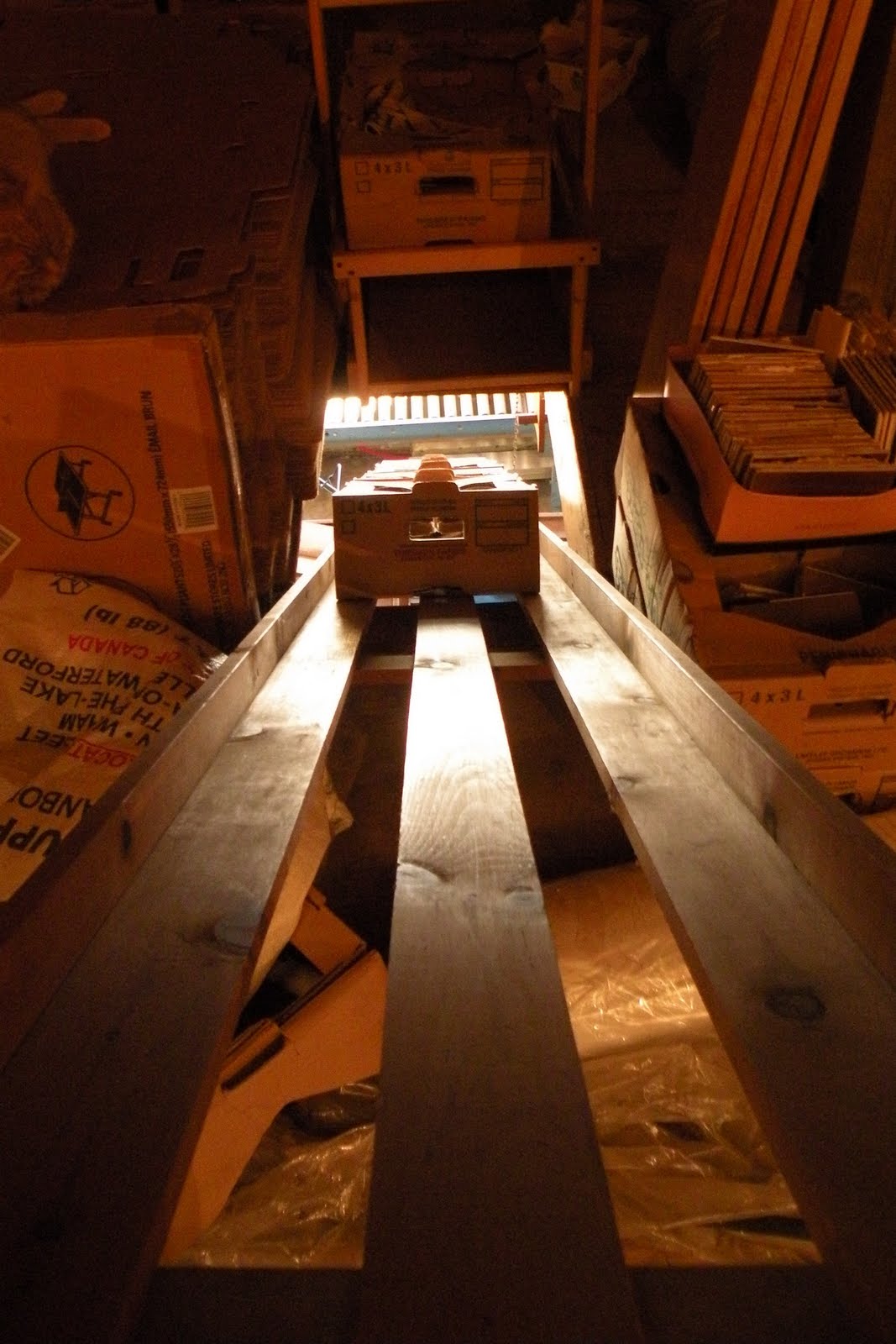
I am an old homestead barn. Pashby land, I was. First barn on this land. Henry’s father bought me back in the 60’s and had to shore me up again. Took down forty oaks right round me, he did. Strong beams from this oak savanna land.

Making space for 400 laying hens, then milk cows, then hogs. Why, twelve year old Henry, back then, he learned to fed the hogs that were farrowing, and sometimes forgot, letting the water trough flood. Then he would muck that barn floor all over again.

Climbing my rafter beams, that boy did! Thought he could do anything. When the new cement floor was poured, he drove the tractor: age thirteen.

Henry's father, when he was in his fifties, farmed chickens, hogs, beef and dairy cattle, corn, wheat, oats, hay, soybeans with one tractor then on 160 acres of land. He has passed on now. And here I stand, tight and dry, but a foreclosed barn, now in 2011.
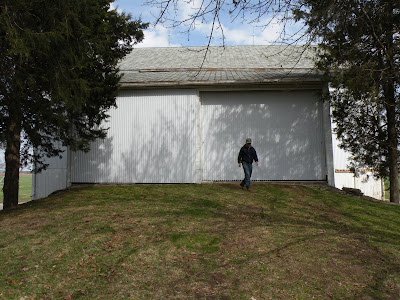
I AM THE BARN THAT HENRY WATCHED BUILT
Sheds and barns went up and down on this land. Old grain cribs came down with age, and the shed for tools and wood had its roof blows off in a tornado just second after Henry ran for the house right round its edge. Roof landed by the cows – across the fence in the next pasture. Did they jump or get carried in that tornado wind? I like to think the tornado did it.

Me? I just stood here, dumb and plain. I was the chicken house Henry’s father contracted to stand. A pole building, simple like the former Amishman. But there was more in my plan.
I AM THE BARN THAT HENRY FIRST BUILT AT AGE FIFTEEN
So, when Henry’s father (when Henry was fifteen) thought his equipment needed more place to stand, he planned on hired builders again.
 Henry took a good look at the chicken house pole barn and said, “Well, we can just look at that one and make one ourselves.” He convinced him that he could do it and, sure enough, they built the trusses together in the big barn.

Yep. Henry built me to stand. I remain on his farm land housing equipment to this day.
WE ARE THE VILLA MILLER BARNS HENRY BUILT
There was an old barn on this farm of 270 acres when Henry Miller and his wife, Martha Villalobos bought it in 1977. This has become Villa-Miller Farms.

Back then there was a barn to the southeast, and next to it, a granary, an old corn crib, another corn crib and shed. The barn and old buildings came down for the new era. There had been decades when the land had been idle in the government “soil bank” program – conserving land and preventing over-production of corn. But the new era of seed corn had begun.

It wasn’t so hard to get us barns up back then. You could get the land for $750/acre back then. And loans were going at 8%. With electric powered irrigation, ample water and sandy soil, lots of seed corn companies contracted this area back then: Pioneer, Super Cross, Decalb, Cargill, Select Seeds, Remington, Great Lakes, and more. After the national corn blight of the sixties, the price of corn which had fallen into shortage promised good wages to farm.

Henry could build grain storage for soybean and wheat – at yields of 40-50 bushels (soybeans) or 70 bushels (wheat) per acre. But at yields of 200 bushels an acre for corn, and the going price of $8 per bushel at the beginning of 1977, it looked like seed corn farming would boom.

Little did Henry know that the price of seed corn would soon drop to about $5 per bushel. And by harvest in 1977 the price of his male corn, the profit he could keep, would be $1.35 per bushel due to boom new varieties of hybrid corn. And banks in the area bumped interest up to twelve and fourteen, even eighteen percent. For farmers who had their loans called in, the Constantine Seed Corn Capital was a nightmare.

But Henry’s barns, we stand. First set of six machines that ran this land needed pole barn room to stand. Now they have grown bigger, more techy, in the last thirty five years. Tractor, plough, planter, sprayer and the harvester Henry shared with his dad in 1977 could till 12 feet row strips of land. Now they have become a strip tiller, planter, and sprayer with a tractor to pull each one as they cover 40 foot row strips
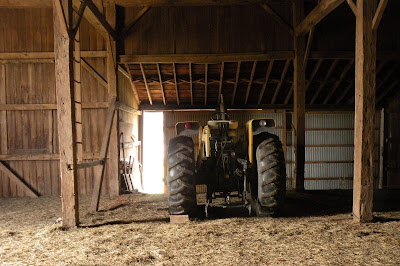
 And need more barns and shops, fertilizer storage to stand.Pioneer comes in with the equipment for the harvest and stores the corn. If not, Henry would still be building!

This summer, the wheat’s already in. Corn harvest should be done by mid October, Henry says. Peas have been sown where the wheat stubble stands, to enrich the soil and allow the stubble to break down. Henry drives over his fields fewer and fewer times as the years progress. Conserving fuel and preserving topsoil are major investments for him. And protecting the future of farming on this land.

A different kind of barn work than when he first began. Loved climbing those beams. Beams still shelter him.